The criteria that actually matter — coverage, SLAs, fleet type and accountability — before you sign with a delivery partner.
Start with coverage, not price
Bangaluru's traffic patterns and locality density vary sharply between zones like Whitefield, Koramangala, and Peenya. Before comparing pricing, confirm a provider actually has consistent rider coverage in the specific pincodes your orders ship to — a lower rate is meaningless if deliveries stall in areas outside their real operating zone.
Ask how SLAs are enforced, not just stated
Most delivery companies will quote an on-time percentage. Fewer can explain what actually happens when that SLA is missed — whether there's a defined escalation path, a dedicated point of contact, or just a support ticket that goes into a queue.
An SLA is only as good as what happens the day it's broken. Ask that question before you ask about pricing.
Understand the fleet model
Shared aggregator fleets and dedicated fleets behave very differently under load. A dedicated fleet reserved for your business gives you predictable rider availability; a shared pool means you're competing with every other business on the platform during peak hours.
- Ask whether riders are exclusive to your brand or shared across multiple businesses
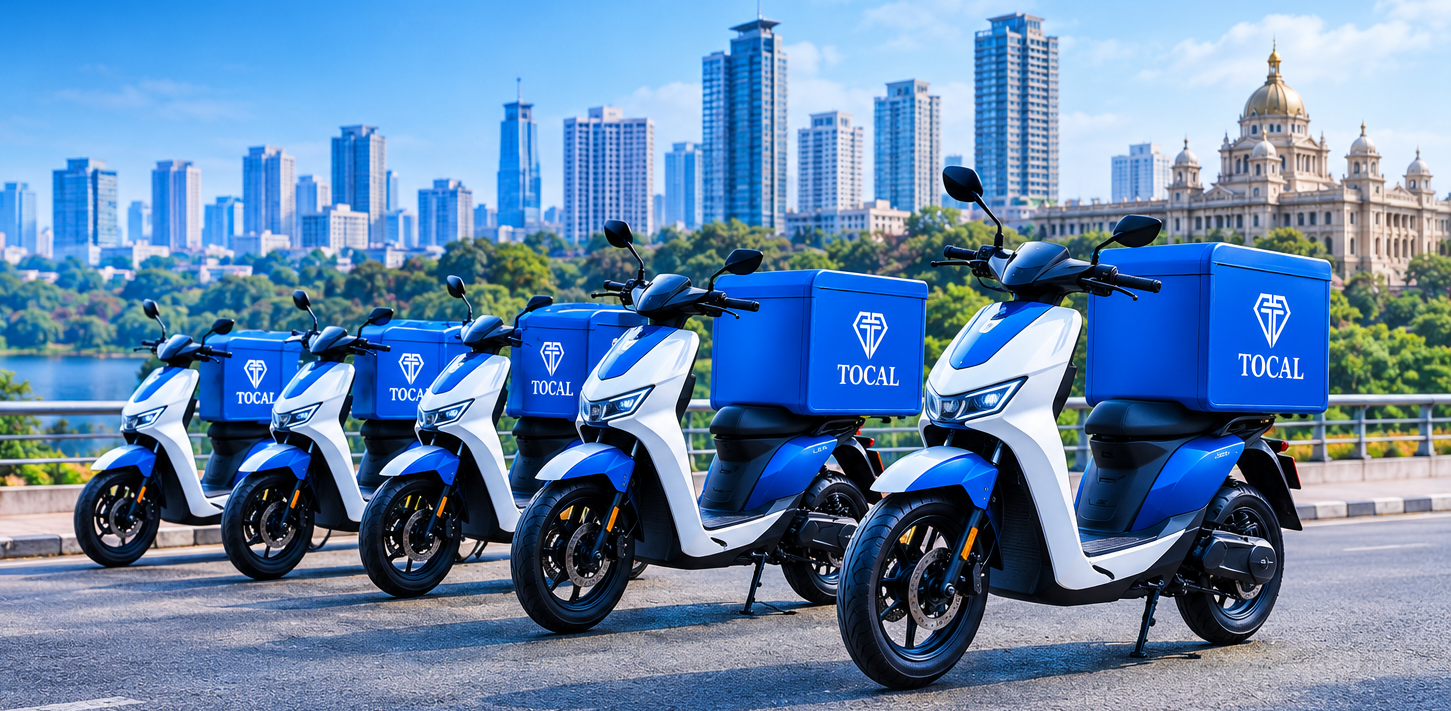
- Check EV vs. fuel-vehicle mix if sustainability commitments matter to your brand
- Confirm whether fleet size scales with your seasonal demand or stays fixed
Evaluate visibility and reporting
Real-time tracking should mean more than a map pin. Look for providers who give you actual performance reporting — on-time rates by zone, exception logs, and proof-of-delivery — so you can hold the relationship accountable with data, not anecdotes.
The onboarding conversation to have
Before signing, ask for a pilot period in your highest-volume zone. A short trial run reveals far more about a delivery company's actual Bangaluru coverage than any sales deck will.