Why an EV delivery fleet suits last-mile logistics in Bangaluru, what a well-run electric fleet looks like, and how to rent or scale one without heavy upfront investment.
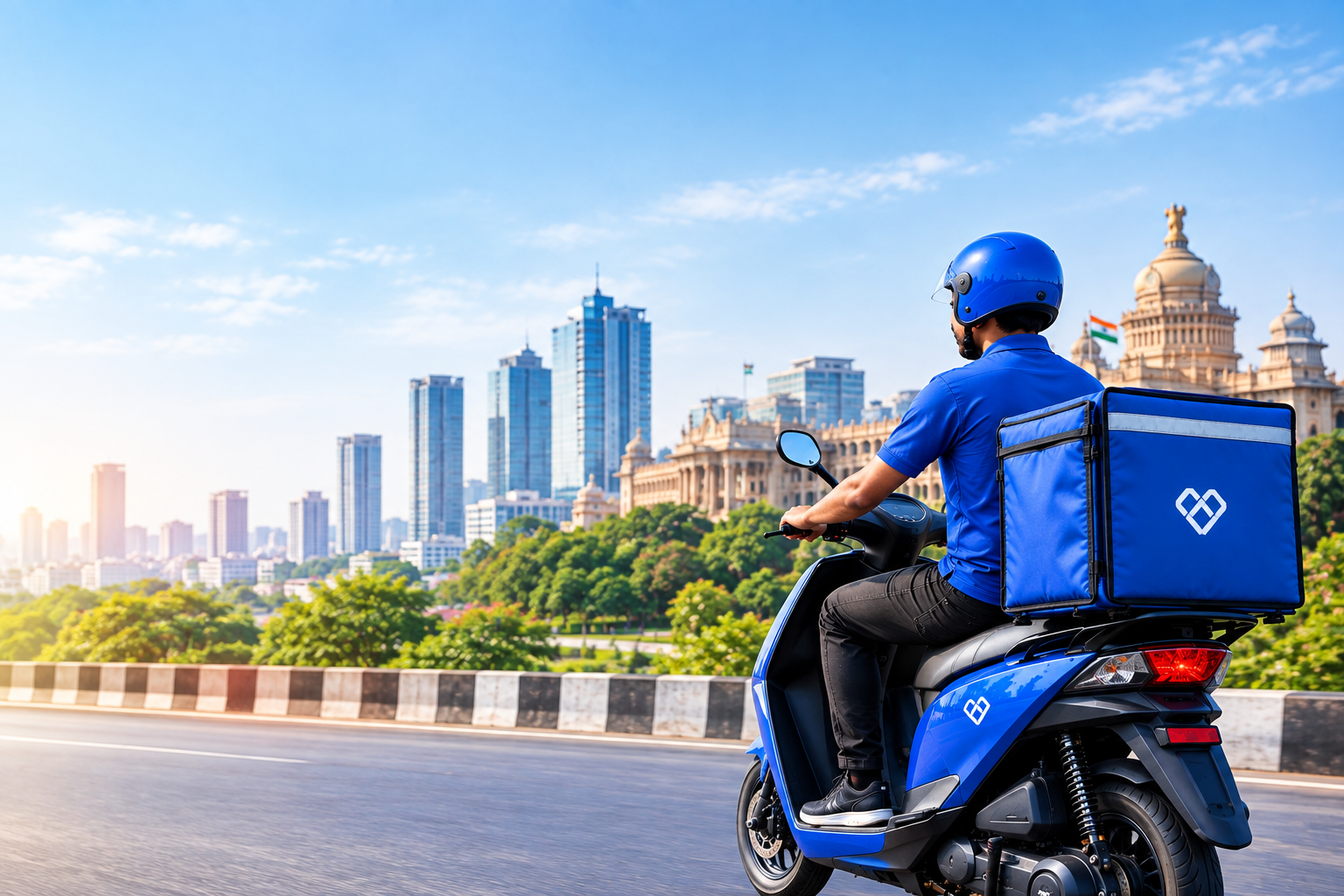
Every day, thousands of delivery riders weave through Bangaluru's traffic carrying groceries, medicines, fashion orders and food. Together they form the final, most visible link in the supply chain, and increasingly they are doing it on electric vehicles. For businesses that depend on speed, cost control and sustainability, an EV delivery fleet in Bangaluru is quickly moving from a pilot idea to a core part of operations.
This guide explains why electric vehicles suit last mile logistics in Bangaluru, what a well-run EV fleet looks like, the challenges to plan for, and how businesses can adopt electric last mile delivery in Bangaluru without heavy upfront investment.
What is last-mile logistics, and why does it matter?
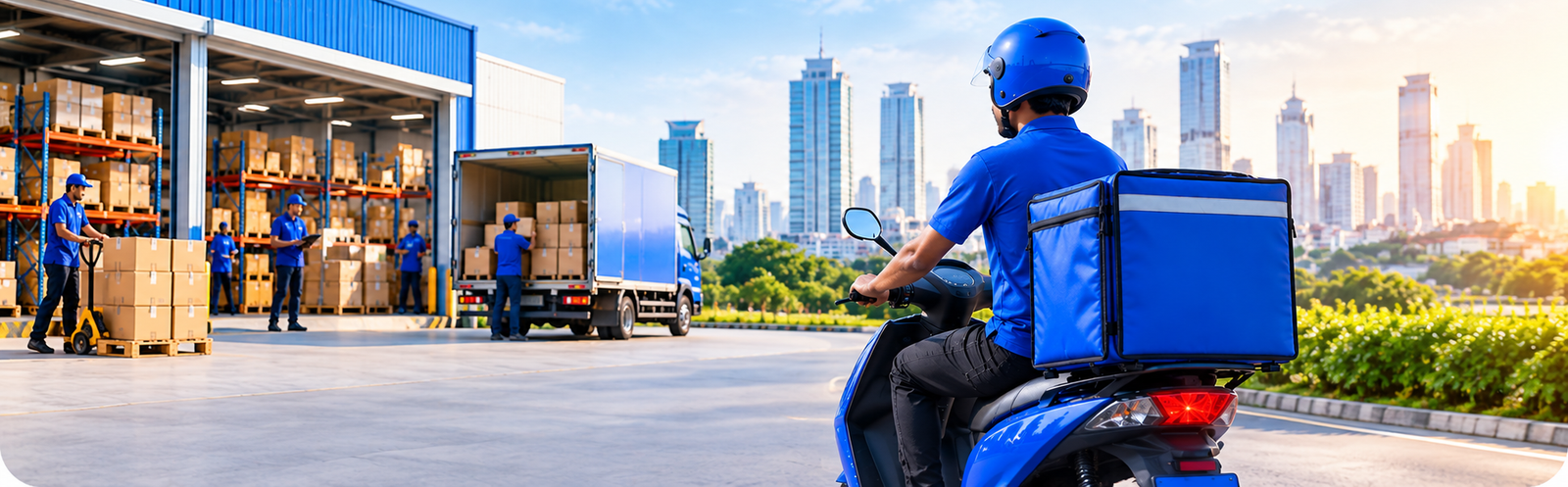
Last-mile logistics is the final leg of a delivery, from a local hub, store or warehouse to the customer's doorstep. It is usually the most expensive part of the journey and the one customers judge you on. A late or missed parcel is remembered far longer than a smooth warehouse process.
In last mile delivery in Bengaluru, several factors make this leg especially demanding:
- Dense traffic and peak-hour congestion on major corridors
- Short but frequent trips, with many drops in a small radius
- Rising customer expectations for same-day and even 10 to 30 minute delivery
- Pressure on margins, as fuel, rider and maintenance costs add up
- Growing sustainability expectations from customers, partners and city regulators
These conditions are exactly where electric two-wheelers perform well.
Why electric vehicles suit Bangaluru's last-mile delivery
Short, predictable routes fit EV range
Most hyperlocal and last-mile deliveries involve short distances within defined zones, with frequent stops and starts. Electric two-wheelers handle this pattern well, since their range comfortably covers typical daily delivery routes when charging is planned properly.
Lower running costs
Electricity is generally cheaper per kilometre than petrol, and electric vehicles have fewer moving parts, which typically means simpler maintenance. For fleets running many kilometres every day, those savings add up and lower the cost per order.
Zero tailpipe emissions
An electric delivery vehicle produces no tailpipe emissions, which helps cut local air pollution in a city that has long struggled with traffic and air quality. For brands with ESG or sustainability commitments, a green delivery fleet is a visible and measurable way to show progress.
Quieter, smoother operations
Electric two-wheelers are quieter and offer smoother acceleration in stop-and-go traffic, which also improves rider comfort and can help with rider retention.
Stronger brand perception
Customers increasingly notice and value sustainable practices. Delivering in electric vehicles can strengthen your brand story, especially for D2C, grocery, pharmacy and lifestyle businesses.
Challenges of running an EV delivery fleet
Electric fleets are not plug-and-play. Businesses that go in with eyes open get better results.
- Upfront cost: buying a fleet requires significant capital compared with renting or leasing
- Charging logistics: vehicles need reliable charging access and scheduling so riders are not idle
- Maintenance and uptime: batteries and electric components need specialist servicing, and downtime hurts delivery SLAs
- Rider management: recruiting, training and retaining riders is an operation in itself
- Visibility and control: without tracking, it is hard to monitor vehicle health, utilisation and delivery performance
- Scaling up and down: seasonal peaks, festive sales and campaigns need flexible capacity, not a fixed fleet
The good news is that most of these challenges can be solved by working with a specialist partner instead of building everything in-house.
What a well-run EV delivery fleet looks like
A strong electric last mile delivery operation in Bangaluru usually has these building blocks:
- Dedicated capacity: vehicles and riders assigned to your business, so availability does not collapse when demand spikes across the city
- Trained delivery partners: riders who understand your brand, your handling requirements and your customer experience standards
- Defined SLAs: clear on-time delivery targets, monitored and reported, with a named point of contact when something goes wrong
- Charging and maintenance built in: handled as part of the operation, not as a separate headache
- Real-time tracking: live visibility of vehicles, orders and exceptions so your team can act before customers complain
- Flexible scaling: the ability to add vehicles for a festive season and reduce them afterwards
Dedicated fleet vs shared fleet
Many businesses begin with shared or aggregator fleets, where riders are pooled across multiple brands. These work for low or irregular volumes, but they tend to show their limits as you grow:
- Riders may be unavailable when everyone's demand peaks at once
- SLA performance can vary from day to day
- Frequent rider changes mean inconsistent service
- Accountability is limited and visibility is often poor
Predictability is often worth more than the lowest headline rate. A fleet reserved for your business is one you can actually plan around.
A dedicated EV fleet reserves capacity for your business, keeps the same trained riders on your routes, and gives you a single team to hold accountable. For businesses with steady or growing delivery volumes, that predictability is often worth more than the lowest rate on a rate card.
Renting an EV fleet: control without the capital cost
Buying and managing a fleet is not the only route. Some businesses want to run their own delivery operation but do not want the capital cost of purchasing vehicles or the hassle of maintaining and staffing them. That is where EV fleet rentals come in. A good rental model lets you:
- Avoid upfront capital spent on buying vehicles
- Choose vehicles only, or vehicles with trained riders, depending on how much you want to manage
- Handle seasonal spikes with short-term rentals, and ongoing needs with long-term arrangements
- Offload maintenance and charging, so your team focuses on customers, not workshops
- Get tracking and fleet management tools, giving full visibility of the operation
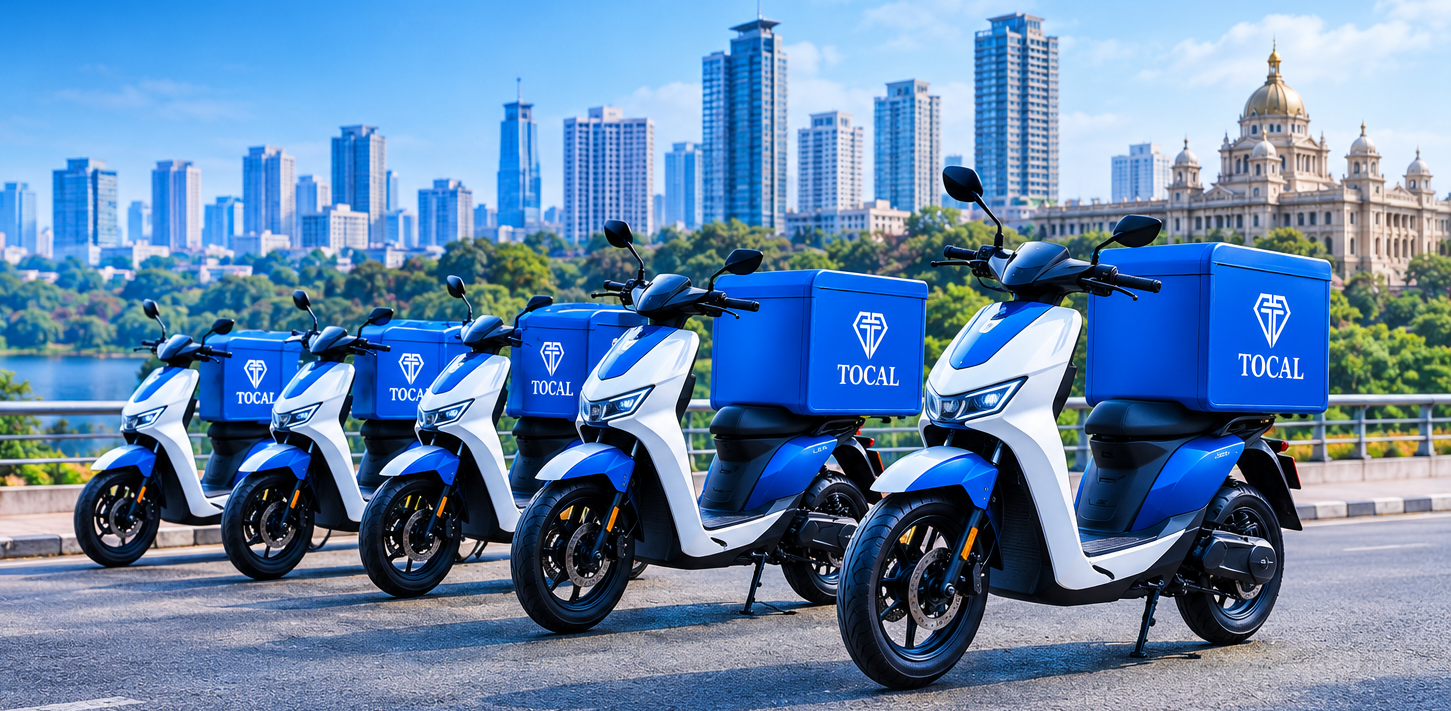
This is the model offered through TOCAL's EV Fleet Rentals, which provides electric two-wheelers, optional trained drivers, maintenance and charging support, and access to a fleet tracking platform. Businesses define how many vehicles they need and for how long, and the fleet is allocated accordingly.
How TOCAL supports electric last-mile delivery in Bengaluru
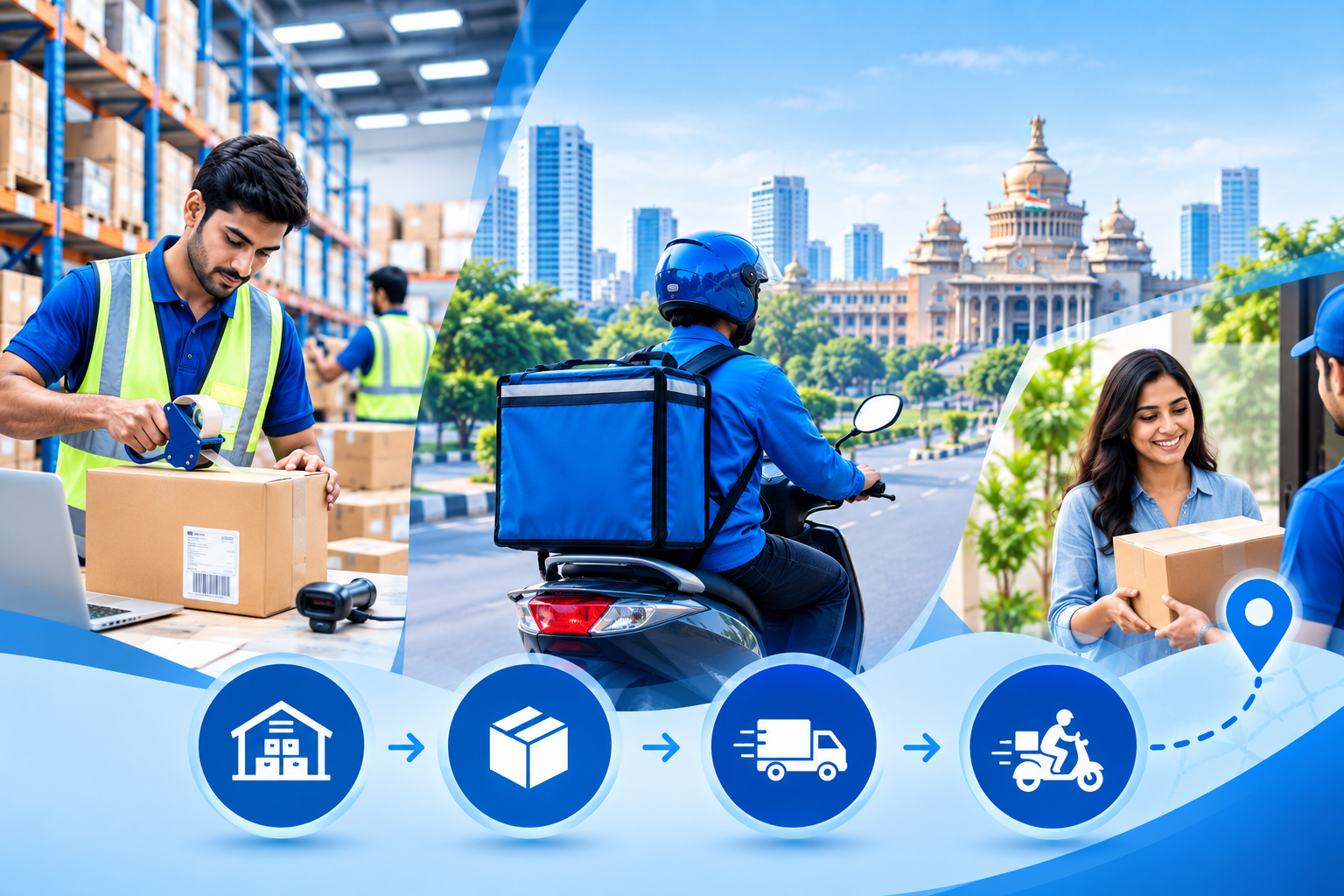
TOCAL provides dedicated delivery infrastructure in Bengaluru for enterprise, D2C and retail businesses, built around an EV-led fleet. Its approach follows three simple steps:
- Understand: analyse your order volumes, delivery zones and SLA requirements
- Deploy: put the right fleet, trained delivery partners and operations team in place
- Manage, track and scale: monitor performance and grow capacity as volumes increase
TOCAL reports 98% + on-time delivery, more than 30 lakh green deliveries completed, and 35+ brands served, with services spanning hyperlocal delivery, last-mile delivery, fulfilment centers and EV fleet rentals.
Who benefits most from an EV delivery fleet?
Electric fleets are a particularly good fit for:
- Quick commerce and grocery: high order frequency, short distances and strict delivery windows
- Pharmacy and healthcare: reliability and speed matter as much as cost
- D2C brands: predictable cost per order and a sustainability story customers can see
- Retail and FMCG: store-to-doorstep delivery at scale
- SMEs and individual sellers: access to organised, tracked delivery without building a team from scratch
How to choose an EV fleet partner in Bangaluru
When comparing providers for an electric last-mile delivery fleet, ask these questions:
- Coverage: do they have consistent rider and vehicle coverage in the exact pincodes you ship to?
- Fleet model: are riders and vehicles dedicated to your business, or pooled?
- SLA enforcement: what happens when an SLA is missed, and who do you call?
- Charging and maintenance: is it included, and what is the plan for vehicle downtime?
- Technology: can you track vehicles, orders and performance in real time?
- Flexibility: can capacity scale up for peaks and down afterwards?
- Pricing transparency: are rental, rider, maintenance and platform costs clear upfront?
Start with a pilot
Wherever possible, start with a pilot in your highest-volume zone. A short trial reveals far more about real performance than any presentation.
Tips to get the most from your EV delivery fleet
- Plan routes around charging, so vehicles are topped up during natural lulls in demand
- Cluster orders by zone, which shortens trips and improves battery efficiency
- Track utilisation, including vehicles per shift, deliveries per rider and idle time
- Train riders properly on vehicle handling, safe riding and brand-specific delivery standards
- Share tracking links with customers, which cuts support calls and failed delivery attempts
- Review performance by zone, so you can adjust capacity where delays occur
Frequently asked questions
What is an EV delivery fleet?
An EV delivery fleet is a group of electric vehicles, typically electric two-wheelers, used for deliveries. It is often managed along with trained riders, charging, maintenance and a tracking platform.
Why are electric vehicles good for last-mile delivery in Bangaluru?
Last-mile routes in Bangaluru are short and frequent, which suits electric two-wheelers. They offer lower running costs, no tailpipe emissions and simpler maintenance than petrol vehicles.
Can I rent an EV fleet instead of buying one?
Yes. Rental models let businesses use electric vehicles without upfront capital. Options typically include vehicle-only rentals or vehicles with trained riders, for short-term or long-term durations.
Are maintenance and charging included in EV fleet rentals?
This depends on the provider. With TOCAL's EV Fleet Rentals, maintenance and charging support are included as part of the service.
Is an EV fleet suitable for small businesses?
Yes. Flexible rentals and managed delivery services let small and mid-sized sellers access organised, tracked electric delivery without building their own fleet or team.
What is the difference between hyperlocal delivery and last-mile delivery?
Hyperlocal delivery focuses on very fast delivery within a tight local zone, often within minutes. Last-mile delivery is the broader final leg from hub or warehouse to the customer's doorstep, which can include same-day and scheduled deliveries.
Final thoughts
Electric vehicles are reshaping last mile logistics in Bangaluru. They match the city's short, dense delivery routes, reduce running costs and emissions, and give brands a stronger, greener story. The businesses that benefit most are those that pair EVs with the right operating model: dedicated capacity, trained riders, built-in charging and maintenance, and real-time visibility.
Whether you want a fully managed dedicated fleet or a flexible rental you control yourself, start by mapping your order volumes, zones and SLA needs, then run a pilot before scaling.
Ready to build a reliable EV delivery operation in Bengaluru? Visit tocal.in or explore EV Fleet Rentals to talk to a TOCAL delivery expert about a plan built around your business.