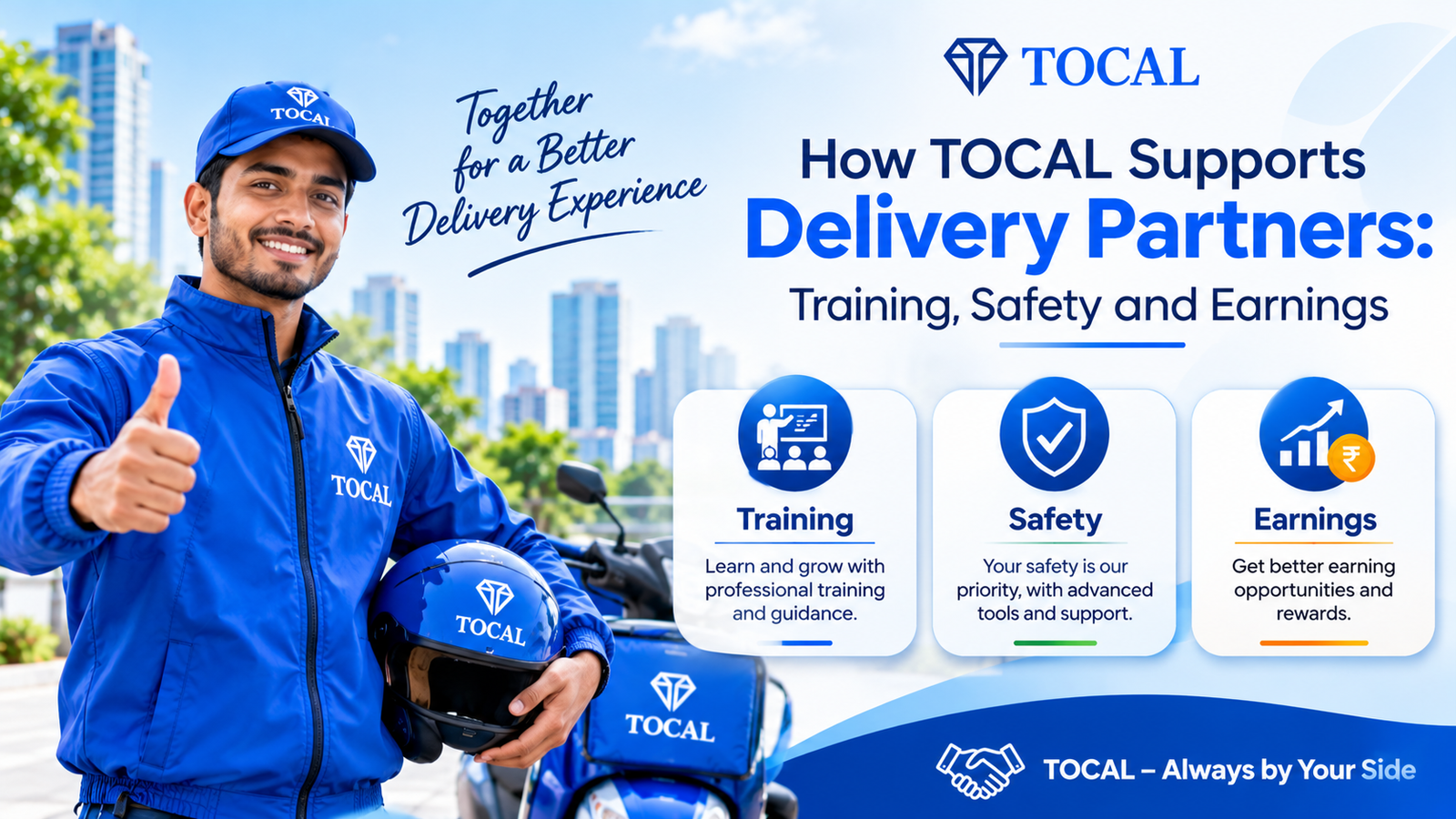
Every on-time delivery is the work of a person. The quality of a delivery operation depends on how well its riders are trained, how safe they are on the road and how fairly they are paid. This guide explains what strong delivery partner support looks like in each area, and how TOCAL approaches it on its EV-only fleet in Bengaluru.
Quick answer
How does TOCAL support its delivery partners? TOCAL runs an EV-only fleet in Bengaluru with trained delivery partners and an operations team behind them, working in assigned zones on planned capacity. Strong partner support rests on three things: training for the job, safety on the road, and transparent, dependable earnings. This guide explains what good looks like in each, so riders and businesses know what to expect and ask for.
Key takeaways
- Training covers more than the app: handling, customers, zones, vehicle use and escalation.
- Safety needs the right gear, vehicle checks, weather rules and realistic delivery windows, not pressure to rush.
- Fair earnings mean clear payout rules, predictable work and timely payment.
- Supported riders deliver more consistently, so partner care and delivery quality go together.
- Riders and businesses should both ask detailed questions before committing.
Businesses judge a delivery partner on on-time rates and complaints. Behind those numbers is a rider who either had the training, tools and support to do the job well, or did not. When riders are rushed, untrained or unsure how they will be paid, it shows at the doorstep.
This guide covers delivery partner training, safety and earnings, what good programmes include, what to ask before you join one, and why it matters to the brands that depend on them.
Why delivery partner support matters
- For riders: a safe, clear and fairly paid job, with the skills to do it well and a team to call when things go wrong
- For businesses: consistent riders who know their zones and products, which means fewer failed deliveries and more reliable service
- For customers: a polite, careful handover that reflects well on the brand
- For operations: lower churn, since riders who feel supported tend to stay, and experienced riders are faster and safer
This is the same logic behind dedicated delivery riders: consistent, trained people outperform a rotating crowd.
Training: what a good delivery partner programme covers
Training should prepare a rider for the whole job, not just for tapping a button in an app. A strong programme usually covers:
| Training area | What it covers | Why it matters |
|---|---|---|
| App and tracking | Accepting orders, confirming pickup, status updates, proof of delivery | Accurate data and live tracking for customers and businesses |
| Handling and packaging | Carrying, securing and handing over different product types | Fewer damaged or spoiled orders |
| Customer interaction | Greeting, handover, handling unavailable or upset customers | Better experience and fewer complaints |
| Zones and addresses | Local lanes, landmarks, gated communities, best routes | Faster deliveries and fewer failed attempts |
| Vehicle use and care | Daily checks, charging routine, basic care of an electric vehicle | Safer rides and less downtime |
| Cash handling | Collecting and reporting cash on delivery where relevant | Accurate reconciliation and fewer disputes |
| Escalation | Who to call and how to report delays, accidents or disputes | Problems solved fast, with support on hand |
TOCAL places trained delivery partners with an operations team behind them, and plans capacity around each business's volumes, zones and SLA needs. Training is also refined for each brand's products and handover expectations.
Safety: what good looks like on Bengaluru roads
Delivery is road work, and Bengaluru's traffic, rain and dense lanes raise the stakes. A responsible programme builds safety into daily routines and into how deliveries are planned.
- Protective gear: a proper helmet and, where suitable, rain and visibility gear
- Vehicle checks: brakes, tyres, lights and battery status before each shift
- Road rules and defensive riding: following traffic rules, keeping safe speeds and avoiding risky shortcuts
- Weather protocols: slower pace, wider delivery windows and clear guidance when rain or visibility worsens
- Fatigue management: sensible shift lengths, breaks and enough riders on busy days
- EV safety basics: safe charging practices and battery care
- Incident reporting and support: a clear way to report accidents or near misses and get help
Safety also depends on how businesses and operators plan. Realistic delivery windows, fixed zones and enough capacity reduce the pressure to rush. That is why safe operations and good delivery SLAs go together, and why capacity planning, covered in our guide to peak season delivery planning, matters for rider wellbeing as well as customer service.
Earnings: what fair and transparent looks like
Riders often join a delivery programme for steady, dependable income. The key word is dependable. Strong programmes make earnings easy to understand and plan around:
- Clear payout rules: how pay is calculated, with no hidden deductions
- Predictable work: fixed zones and planned capacity so riders have regular work rather than waiting for orders
- Timely payments: a stated payment schedule that is followed
- Quality-based incentives: rewards for reliability and customer service, not for risky speed
- Transparent costs: clarity on who pays for vehicle running, charging and maintenance
- Support when volumes change: a clear process if demand rises or falls
A dedicated, zone-based model is designed to give riders steadier work than a shared pool where every order is a competition. For the business side of that model, see fixed delivery capacity vs on-demand fleet support.
Why an EV-only fleet suits delivery partners
TOCAL runs an EV-only fleet. For riders, electric vehicles generally offer:
- Suitability for city work: short, stop-start trips are where electric vehicles perform well
- Quieter, cleaner riding: no tailpipe emissions and less engine noise
- Fewer fuel stops: charging is planned into the day instead
- Simpler day-to-day running when charging and servicing are well organised
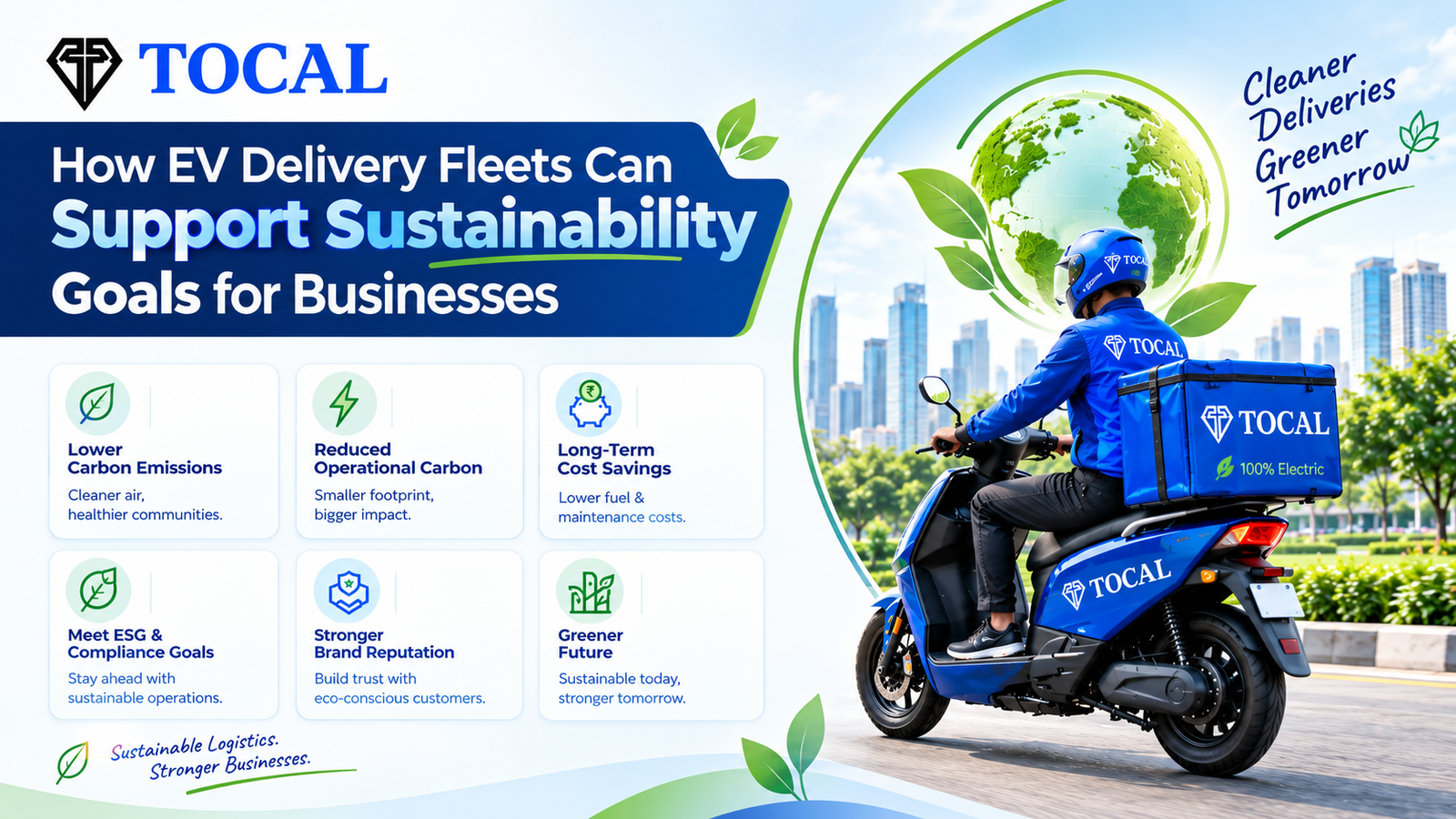
Good charging planning and vehicle care make the difference, which is why they belong in training. For the business and environmental angle, read how EV delivery fleets support sustainability goals.
How partner support improves delivery quality for businesses
If you are a brand choosing a delivery partner, rider support is not a side issue. It shows up directly in your numbers:
- Higher on-time delivery, because experienced riders know their zones
- Fewer failed attempts, thanks to better address handling and customer communication
- Less damage, because riders are trained on handling
- Better customer reviews, from polite, consistent handovers
- More stable operations, since supported riders are more likely to stay
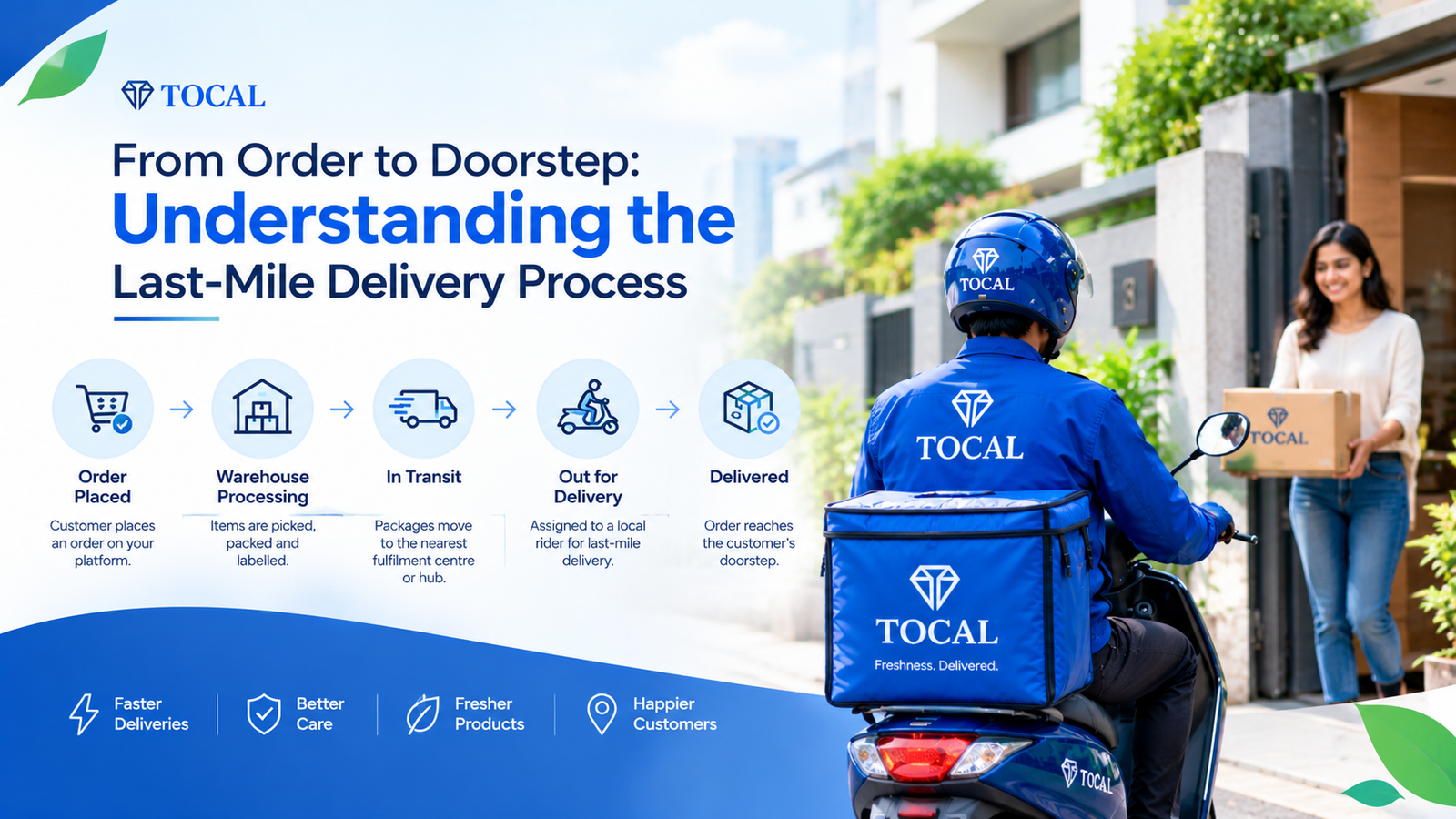
It also fits with how the last-mile delivery process works: eight stages, most of them depending on the rider doing the right thing at the right moment.
A delivery brand is only as reliable as the people carrying its promise to the doorstep.
What to ask before joining a delivery partner programme
If you are thinking of becoming a delivery partner, ask these questions and get answers in writing:
- What training will I receive before I start, and is there ongoing training?
- What safety gear and vehicle checks are part of the job?
- How is pay calculated, and how often will I be paid?
- What deductions or costs apply, including vehicle, charging and maintenance?
- How much planned work will I have in my zone?
- What support is there if there is an accident, a dispute or a vehicle problem?
- Who do I call when something goes wrong during a shift?
What businesses should ask their delivery partner about rider support
- How are riders recruited, trained and refreshed on your products?
- What safety rules and weather protocols do you follow?
- How do you plan shifts and capacity to avoid rider fatigue on peak days?
- How do you keep riders in fixed zones and replace absent riders?
- How do you track rider performance and share it with me?
Delivery partner life in Bengaluru: local realities
Bengaluru delivery work means dense neighbourhoods such as Koramangala, HSR Layout, Indiranagar and Whitefield, busy corridors like ORR, warm afternoons and sudden rain. Riders who work fixed zones learn the lanes, landmarks and best timings, which makes the job faster, safer and less stressful.
Good support in this setting means zone-based assignments, clear rain and traffic guidance, realistic delivery windows and operations staff reachable when conditions change.
Join TOCAL as a delivery partner, or work with our delivery partners
TOCAL builds dedicated delivery infrastructure in Bengaluru around an EV-only fleet. With 98%+ on-time delivery, 30 lakh+ green deliveries completed and 35+ brands served, TOCAL supports D2C brands, retail and FMCG, SMEs and individual sellers and enterprises and quick commerce.
- Want to deliver with us? Visit our Join as a rider page to apply, and learn about partnerships on our Our Partners page
- Need a delivery partner for your business? Explore last-mile delivery, hyperlocal delivery and EV fleet rentals
Frequently asked questions
What is a delivery partner?
A delivery partner is a rider or driver who carries out deliveries on behalf of a logistics company or business. At TOCAL, delivery partners work on an EV-only fleet in Bengaluru, serving D2C brands, retail and FMCG, SMEs and individual sellers, and enterprises.
What should delivery partner training cover?
Good training covers using the rider app and tracking, handling and packaging, customer interaction, finding addresses within assigned zones, safe use of the vehicle, handover and proof of delivery, cash-on-delivery handling where relevant, and how to escalate problems.
How can delivery partners stay safe in Bengaluru traffic and rain?
Wear a helmet and protective gear, check the vehicle before every shift, follow traffic rules, slow down in wet conditions, take breaks to avoid fatigue, and report incidents straight away. Realistic delivery windows from the business also reduce pressure to rush.
What should I ask about earnings before joining a delivery partner programme?
Ask how payouts are calculated, how often payments are made, how much work is planned in your zone, what deductions or costs apply, how vehicle running and charging are handled, and what support exists if volumes change. Get the answers in writing.
Why do electric vehicles suit delivery partners?
Electric vehicles are well suited to short, frequent city trips. They produce no tailpipe emissions, are quieter, and typically involve fewer fuel stops. Charging planning and vehicle care still matter, so partners should be trained on both.
How does delivery partner support affect delivery quality?
Trained, safe and fairly supported riders deliver more consistently. They know their zones and products, make fewer mistakes, handle customers better and are more likely to stay, which means fewer failed deliveries and more reliable on-time performance.
How do I become a delivery partner with TOCAL?
Visit the Join as a rider page on tocal.in to apply, or contact TOCAL's driver partner line listed on the website for current requirements and openings in Bengaluru.
Does TOCAL run an EV-only delivery fleet in Bengaluru?
Yes. TOCAL provides last-mile and hyperlocal delivery in Bengaluru with an EV-only fleet and trained delivery partners, with 30 lakh+ green deliveries completed for 35+ brands.
Final thoughts
Reliable deliveries are built on well-supported people. Training prepares riders for the whole job, safety practices protect them on Bengaluru's roads, and clear, dependable earnings keep good riders in the team. Brands that choose delivery partners with this kind of foundation get better service, and riders who join them get a better job.
Ready to work with TOCAL? Riders can apply to become a delivery partner, and businesses can talk to a TOCAL Delivery Expert about volumes, zones and SLA needs.