FMCG and perishable goods leave little room for error: high order frequency, short shelf lives and customers who expect fresh, intact products on time. Choosing the right delivery partner means checking speed, handling, hygiene, tracking, SLAs and capacity. Here is a practical checklist for Bengaluru businesses.
Quick answer
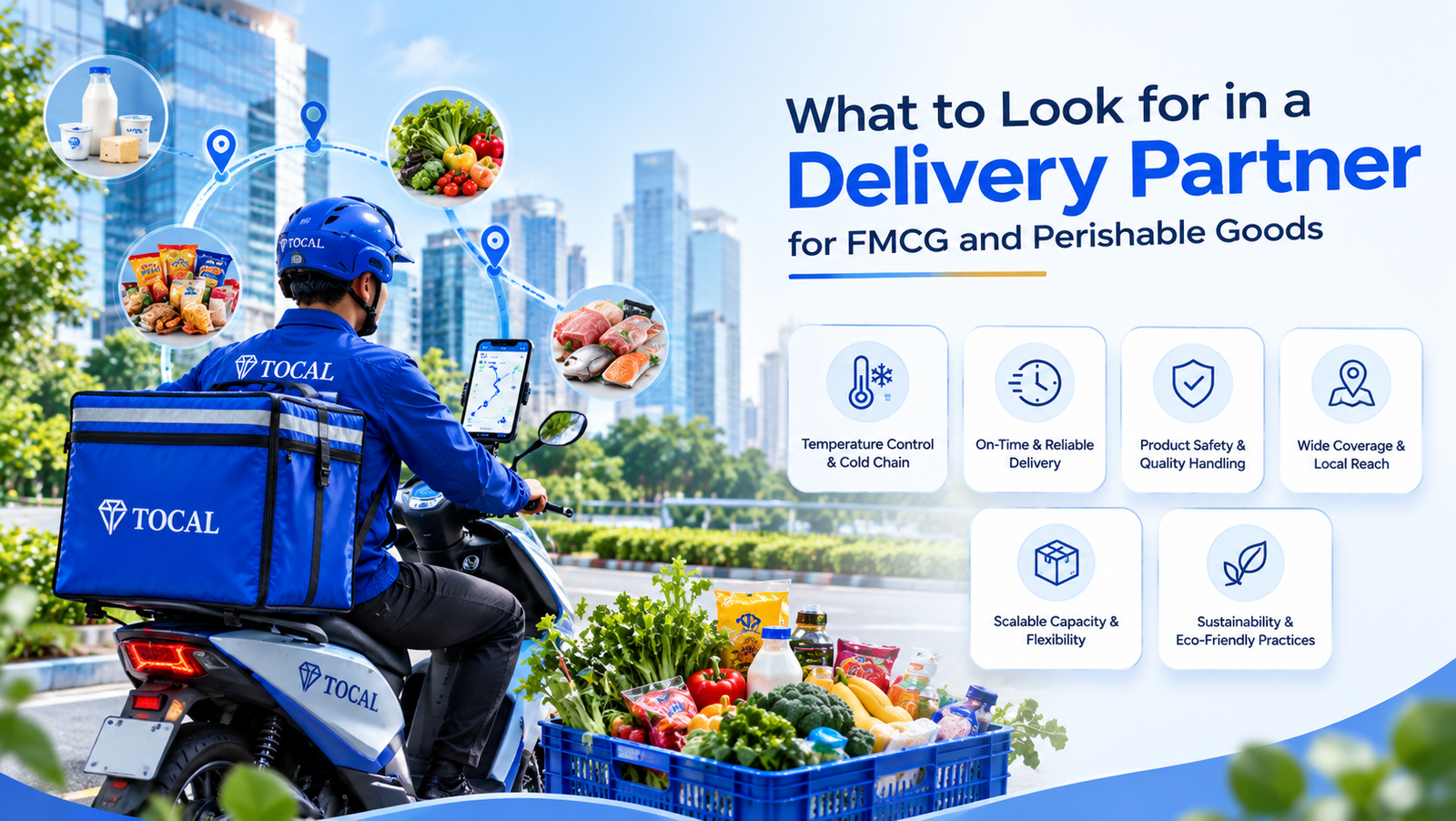
What should you look for in a delivery partner for FMCG and perishable goods? Look for fast and reliable on-time delivery, short transit times, proper handling and hygiene practices, temperature capability where your products need it, dedicated capacity for peak demand, live tracking, nearby hubs, clear SLAs with damage and spoilage metrics, and quick replacement of affected orders. Test them with a pilot before you scale.
Key takeaways
- For perishables, time in transit and handling matter as much as on-time delivery.
- Confirm exactly what temperature control your products need, and what the partner can actually provide.
- Dedicated riders and fixed zones improve consistency for high-frequency FMCG deliveries.
- Insist on SLAs that include damage or spoilage rate and replacement turnaround time.
- Run a short pilot in busy zones and review the data before expanding.
A late parcel of clothing is a disappointment. A late delivery of dairy, bakery items, fresh produce or ready-to-eat food can be a total loss. FMCG brings its own pressure: huge order volumes, thin margins and retailers or customers who expect restocking and replenishment on a tight rhythm.
That is why choosing a delivery partner for FMCG and perishable goods needs more care than choosing one for general parcels. This guide covers what makes these categories different, the capabilities to look for and the questions to ask before you sign.
Why FMCG and perishables need a different kind of delivery partner
- High frequency: orders are small, repeated and often daily, so consistency matters more than one-off speed
- Short shelf life: perishables lose value with every extra hour in transit
- Handling sensitivity: crushed packaging, spills or leaks can make a product unsellable
- Temperature and hygiene: some products need chilled or controlled conditions and clean handling
- Demand spikes: festivals, summer, weekends and promotions can lift volumes sharply
- Replacement pressure: a missing or damaged item usually needs fast replacement, not a slow refund
FMCG vs perishable goods: how delivery needs differ
| Factor | Packaged FMCG | Perishable goods |
|---|---|---|
| Time sensitivity | Moderate; depends on stock-outs and promised windows | High; shelf life limits time in transit |
| Handling | Protect packaging and avoid damage | Gentle, hygienic handling is essential |
| Temperature | Usually ambient, with heat protection for some items | May need chilled or controlled conditions |
| Order pattern | High volume, frequent, repeat | Frequent, often in tight time slots |
| Cost of failure | Delay, stock-out, complaint | Wasted product plus refund or replacement |
| Best-fit model | Dedicated fleet with zone-based riders | Short-distance hyperlocal delivery from nearby hubs, plus temperature capability where needed |
9 things to look for in a delivery partner for FMCG and perishables
1. Speed and short, dependable delivery windows
Ask how the partner achieves short transit times: nearby hubs, zone-based riders and clustered orders. Same-day or tightly timed delivery matters most when shelf life is short. See how hyperlocal delivery keeps trips short.
2. Handling and packaging discipline
Riders should know how to carry and hand over your products: upright where needed, away from heat and moisture, without crushing. Ask about training, packaging standards and how damage is recorded.
3. Temperature capability that matches your products
Be precise about what you need: ambient with heat protection, insulated bags or boxes, or full chilled or frozen delivery. Then ask what the partner can actually provide and how they monitor it. A partner who says "yes" to everything without details is a risk.
4. Hygiene and food-safety awareness
For food and beverage items, clean vehicles, bags and handling practices matter, and food-safety rules in India apply to your business. Ask how the partner supports hygiene standards and what you will need to provide, so responsibilities are clear in writing.
5. Dedicated capacity and reliability at high frequency
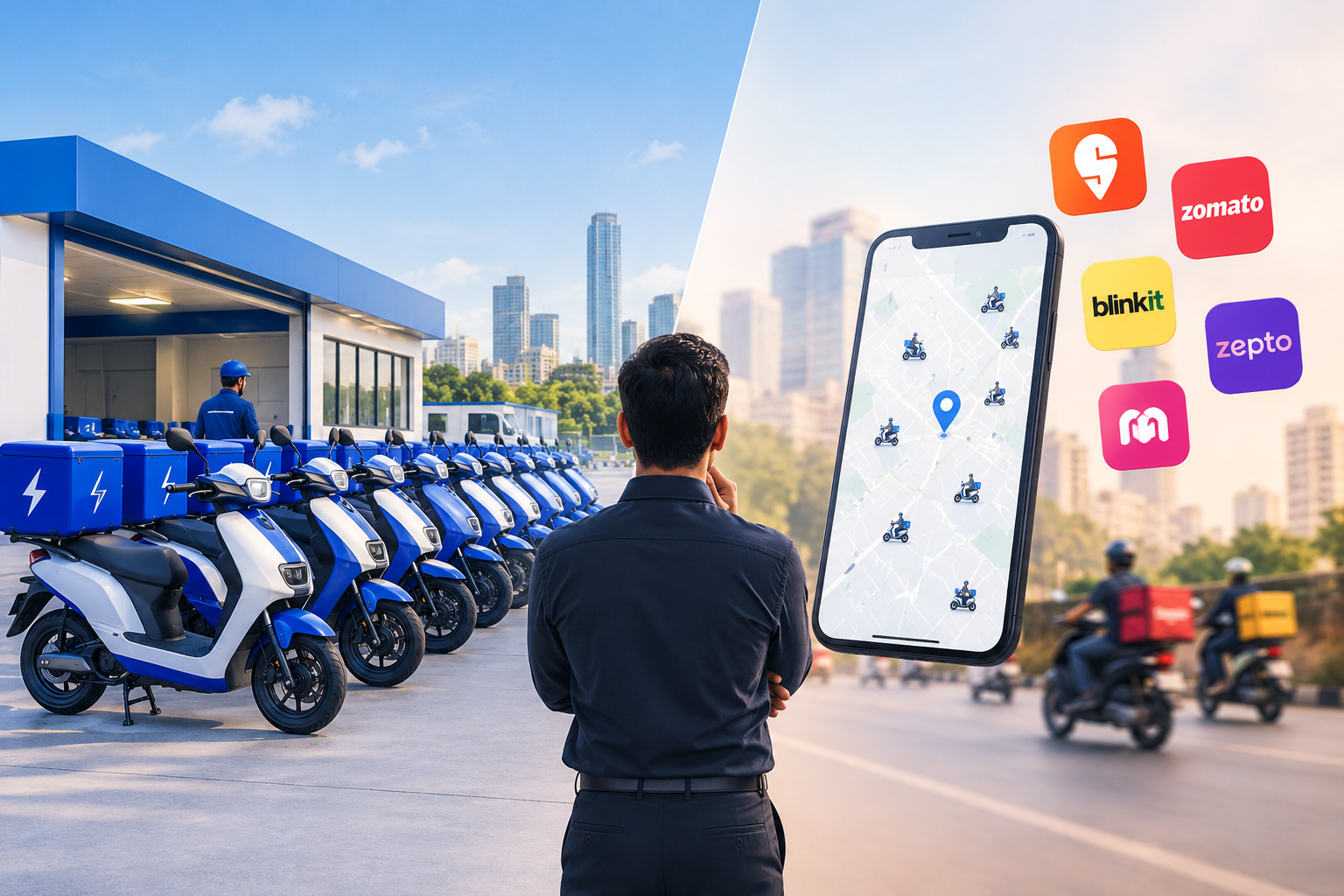
FMCG depends on repeat daily deliveries. A dedicated fleet reserves riders for you and keeps quality consistent, while shared pools can run short when demand peaks. Compare the models in our guide to dedicated fleet vs delivery apps.
6. Live tracking and time-in-transit visibility
For perishables, you need to see delays as they happen. Live tracking, delay alerts and timestamps let your team act before a product ages out. Learn why this matters in real-time delivery tracking for ecommerce.
7. Hubs and fulfilment space close to customers
The shorter the distance from stock to doorstep, the better the freshness and the lower the risk. Partners with access to fulfilment centers near dense demand zones help you stage stock close and dispatch faster. Our guide to micro-fulfilment centres in Bengaluru explains the approach.
8. SLAs built for your category
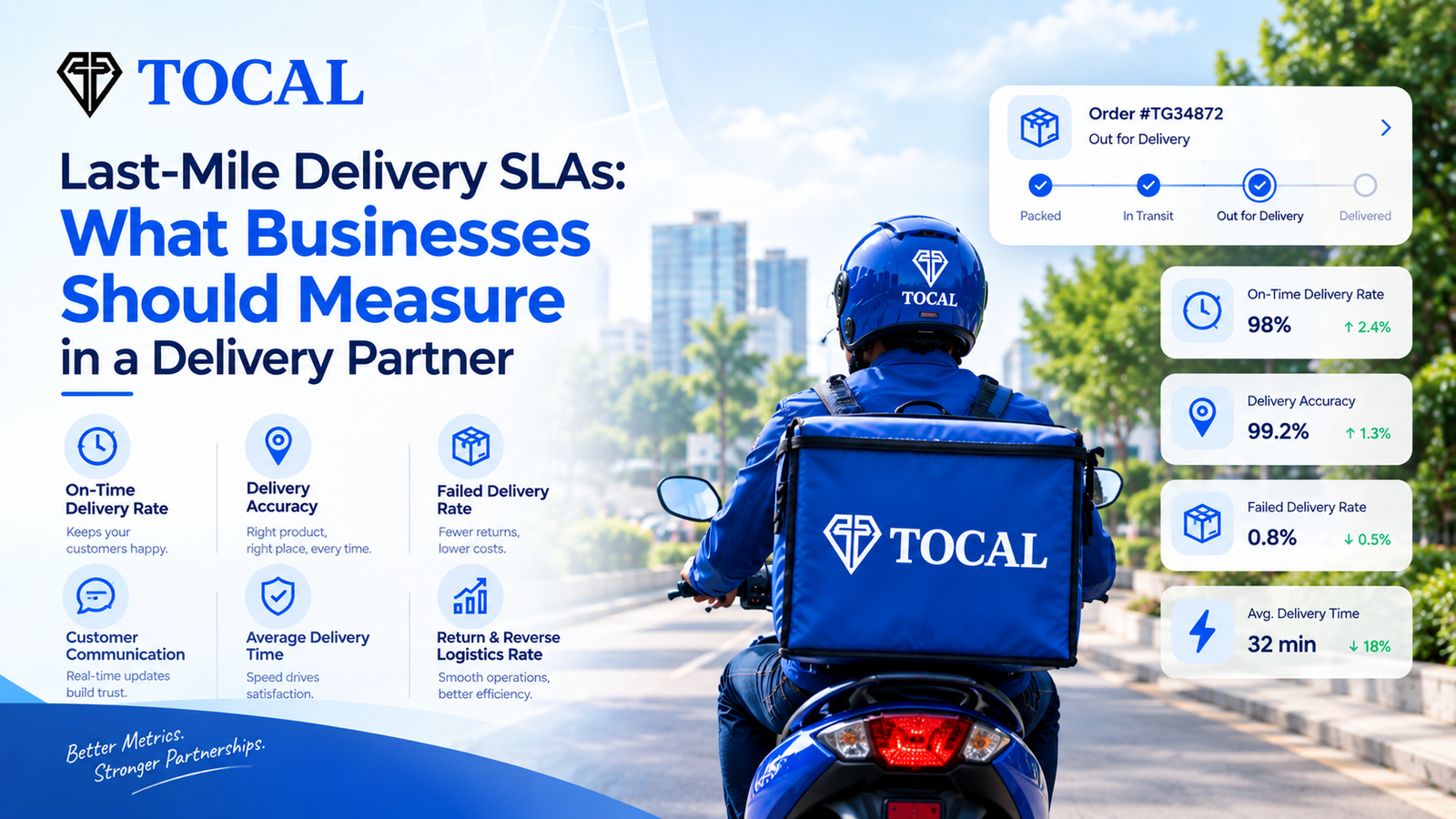
Generic SLAs miss what matters for perishables. Ask for targets on on-time delivery, time in transit, damage or spoilage rate and replacement turnaround, with regular reporting and clear remedies. Use our guide to last-mile delivery SLAs as a template.
9. Flexibility for peaks, plus fast replacement and returns
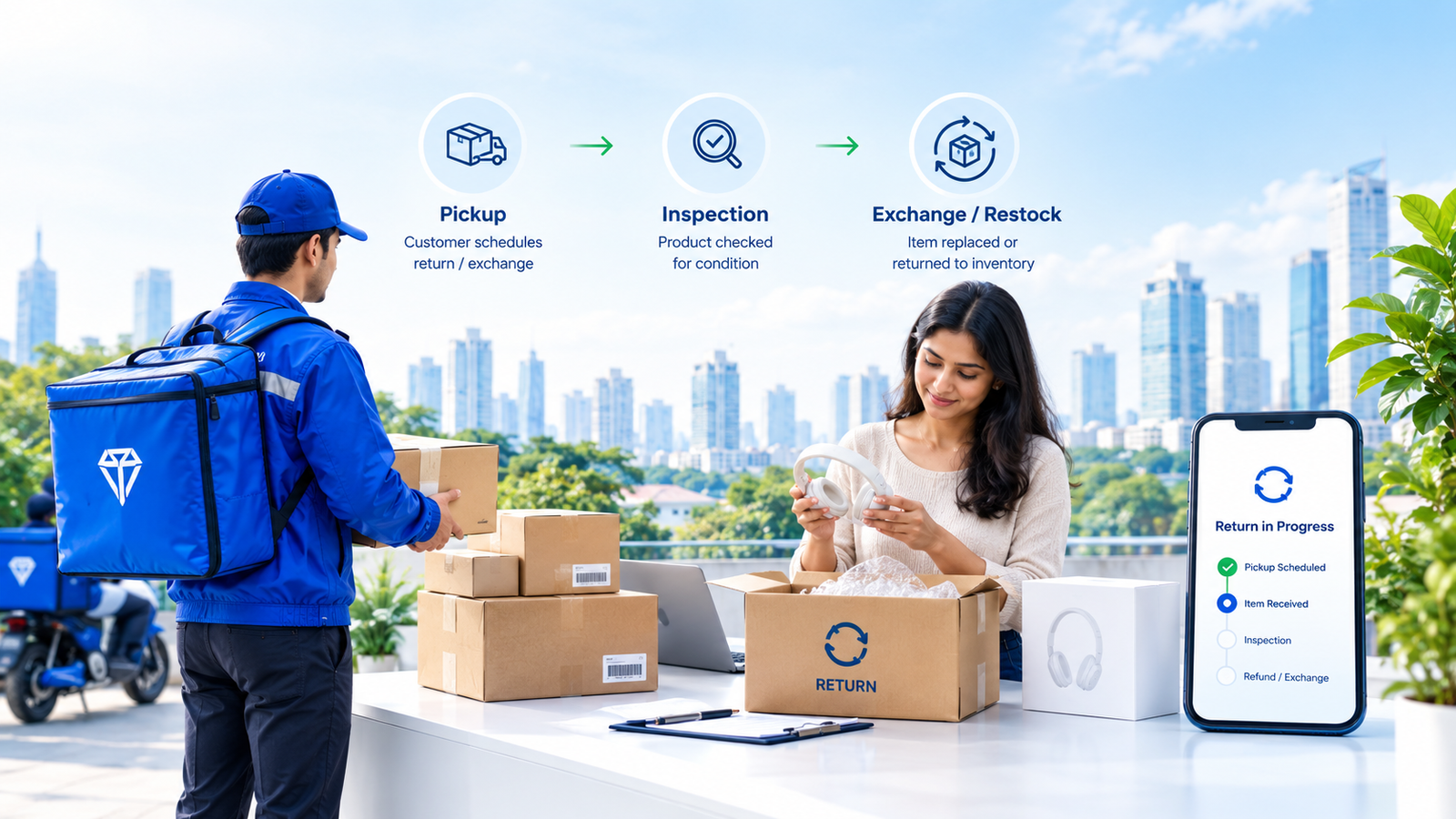
Summer, festivals and promotions lift volumes. Check how the partner adds riders and vehicles on short notice, as covered in our peak season delivery planning guide. Also confirm how quickly a damaged or missing item can be replaced, and how failed deliveries and returns are handled (see reverse logistics for ecommerce).
With perishables, the real SLA is not just "delivered on time". It is "delivered fresh, intact and on time".
Delivery partner scorecard for FMCG and perishables
Use these questions in your evaluation:
| Capability | Question to ask | What a good answer looks like |
|---|---|---|
| Speed | How do you keep transit times short in my zones? | Zone-based riders, nearby hubs, clustered orders |
| Handling | How are riders trained for my products? | Defined training, packaging standards, damage recording |
| Temperature | What temperature range can you support and monitor? | A specific, honest answer that matches your products |
| Hygiene | What hygiene practices do you follow? | Clear practices and shared responsibilities in writing |
| Capacity | How do you handle peak days? | Reserved capacity and a flexible layer planned in advance |
| Visibility | What can I see in real time? | Live tracking, delay alerts, timestamped data |
| SLA | Which metrics and remedies are in the agreement? | On-time %, time in transit, damage rate, replacement time |
| Support | Who do I call when something goes wrong? | Named contact with response times |
Metrics to track once you start
- On-time delivery %, overall and by zone and time slot
- Time in transit: from pickup to doorstep
- Damage or spoilage rate: affected orders ÷ total delivered × 100
- Replacement turnaround time: from complaint to replacement delivered
- First-attempt delivery success
- Temperature compliance, where you ship temperature-sensitive goods
Judge cost by cost per successfully delivered order, including the cost of spoiled or replaced products, not by the per-order rate alone.
Red flags when choosing a delivery partner
- No clear answer on temperature or handling capability
- No SLA metrics for damage, spoilage or replacement
- Different riders on almost every order, with no training on your products
- No live tracking or delay alerts
- No plan for peak days or weather disruption
- No named escalation contact
FMCG and perishable delivery in Bengaluru: local factors
Bengaluru's mix of dense neighbourhoods, warm afternoons, sudden rain and congested corridors such as ORR makes short, well-planned trips essential. Areas such as Koramangala, HSR Layout, Indiranagar and Whitefield generate heavy, repeat demand within small distances, which suits hyperlocal delivery from nearby hubs.
- Keep trips short and zones fixed, so riders know their areas and products spend less time in transit
- Plan for heat and rain with suitable packaging and realistic delivery windows
- Use nearby hubs to stage fast-moving products close to customers
- Consider an EV-only fleet, which suits short, frequent urban trips and supports your sustainability goals (see how EV delivery fleets support sustainability)
How to test a delivery partner in 5 steps
- Define requirements: products, temperature needs, volumes, zones, delivery windows and peak dates
- Shortlist and compare using the scorecard above
- Agree pilot metrics: on-time %, time in transit, damage rate and replacement time
- Run a pilot in one or two busy zones for a few weeks
- Review the data together, fix gaps and then expand zones and volumes
How TOCAL supports retail, FMCG and fast-moving deliveries
TOCAL builds dedicated delivery infrastructure in Bengaluru around an EV-only fleet, with fulfilment centers and zone-based operations. Our approach follows three steps:
- Understand: we analyse your order volumes, product requirements, delivery zones and SLA needs
- Deploy: we put the right fleet, trained delivery partners and operations team in place
- Manage, track and scale: we monitor performance live and scale capacity up or down as your volumes change
With 98%+ on-time delivery, 30 lakh+ green deliveries completed and 35+ brands served, TOCAL supports retail and FMCG, D2C brands, SMEs and individual sellers and enterprises and quick commerce, through hyperlocal delivery, last-mile delivery, fulfilment centers and EV fleet rentals. If you ship perishable or temperature-sensitive goods, tell us your exact requirements and we will confirm the right setup.
Frequently asked questions
What should I look for in a delivery partner for FMCG?
Look for reliable on-time delivery at high frequency, dedicated capacity for peak demand, careful handling, live tracking, nearby hubs or fulfilment space, clear SLAs and fast replacement of damaged or short-delivered items. Consistent riders and zone knowledge also matter.
What makes delivering perishable goods different?
Perishables have a limited shelf life and often need temperature control and hygienic handling, so the time between dispatch and doorstep matters far more. Delays, heat or rough handling can turn a sellable product into waste.
Do I need a cold chain delivery partner for perishables?
It depends on the product. Items that must stay chilled or frozen need a partner with proper temperature-controlled capability and monitoring. Items with a short shelf life but no strict temperature range may be served well by fast hyperlocal delivery with insulated packaging. Always confirm exact requirements with your partner.
Which SLA metrics matter most for perishable delivery?
Key metrics are on-time delivery rate, pickup-to-dispatch time, time in transit, damage or spoilage rate, replacement turnaround time, first-attempt delivery success and, where relevant, temperature compliance during delivery.
Is a dedicated fleet better than delivery apps for FMCG and perishables?
For steady daily volumes, usually yes. Dedicated riders learn your products, handling needs and zones, and capacity is reserved for you. Delivery apps work better as overflow for unplanned surges.
How can I reduce spoilage and damage in delivery?
Shorten the distance between stock and customer using nearby hubs, use suitable packaging, train riders on handling, keep trips short with zone-based routing, track time in transit and review damage reasons every week.
How should I test a new delivery partner for FMCG or perishables?
Run a pilot in one or two busy zones for a few weeks with agreed metrics such as on-time delivery, damage rate and replacement time. Review the data with the partner before expanding coverage.
Does TOCAL deliver FMCG products in Bengaluru?
Yes. TOCAL serves retail and FMCG businesses in Bengaluru with last-mile and hyperlocal delivery on an EV-only fleet. For perishables or temperature-sensitive goods, share your product requirements so TOCAL can confirm the right setup for your business.
Final thoughts
The best delivery partner for FMCG and perishables is the one that is honest about what it can handle, measures what matters and fixes problems fast. Define your product needs, compare partners on speed, handling, visibility and SLAs, pilot in busy zones and scale only when the data supports it.
Looking for a delivery partner for FMCG or fast-moving goods in Bengaluru? Share your product types, volumes, service areas and SLA needs, and TOCAL will plan a setup around your business. Talk to a TOCAL Delivery Expert.