Winning a first order is expensive. Winning the second is where profit begins. Delivery sits right between them: a fast, reliable first delivery builds the trust that brings customers back. Here is how delivery shapes repeat purchases and retention, how to measure the link and how to decide how fast is fast enough.
Quick answer
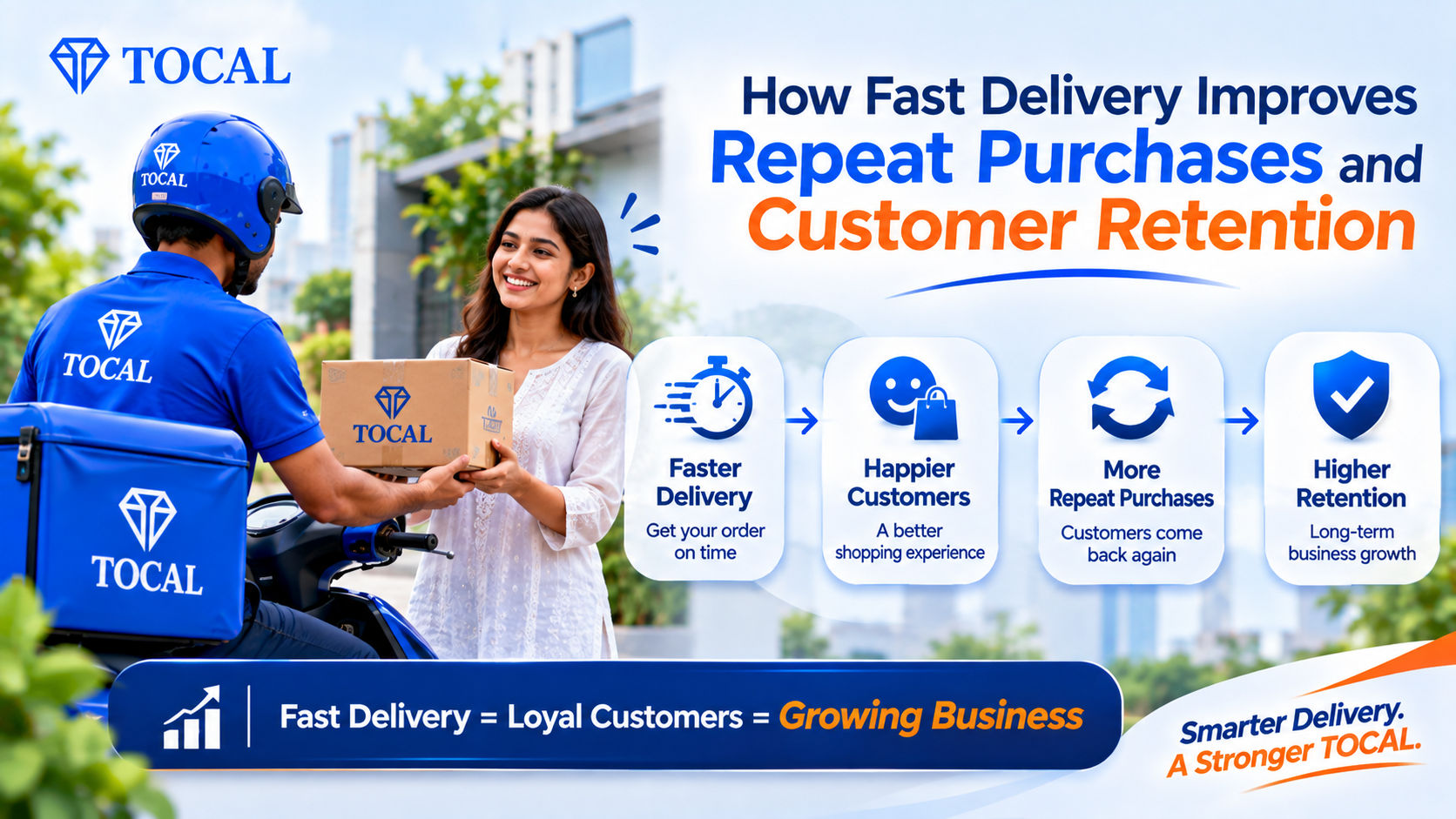
How does fast delivery improve repeat purchases and customer retention? Fast, reliable delivery makes the first order a good experience, builds trust in your delivery promise, reduces problems and support contacts, and makes it easy to reorder when timing matters. Speed works best when paired with reliability, tracking and good product condition. Measure the effect by comparing repeat rates for customers with on-time, late and failed first deliveries.
Key takeaways
- The first delivery experience shapes whether a customer orders again.
- Reliability and visibility often matter as much as raw speed: keep the promise you make.
- Speed matters most for replenishment, urgent and occasion-based purchases.
- Measure with cohorts and tests, and weigh extra repeat orders against extra delivery cost.
- You can deliver fast without a huge fleet by using hubs, fixed zones and a hybrid capacity model.
Brands spend heavily on ads, discounts and influencers to bring customers in. Then the parcel leaves the warehouse, and the next few hours or days decide whether that customer ever returns. A late, damaged or confusing delivery can undo the work of the entire marketing budget.
This guide explains how fast delivery improves repeat purchases and customer retention, what customers really value, how to measure the impact and how to build a delivery setup that earns loyalty.
What are repeat purchase rate and customer retention?
- Repeat purchase rate: customers who ordered two or more times in a period ÷ total customers who ordered in that period × 100
- Customer retention rate: customers at the end of a period who were already customers at the start ÷ customers at the start × 100
- Customer lifetime value (CLV): the total contribution a customer brings over the time they keep buying
Delivery touches all three: it influences whether customers come back, how often and for how long.
Why delivery is a retention lever
- It is the last step of the purchase: after paying, the delivery is the only part of your brand the customer physically experiences
- It tests your promise: a delivery date or window is a commitment, and keeping it builds trust
- It sets expectations for the next order: a smooth first delivery lowers the perceived risk of buying again
- It shapes reviews and word of mouth: delivery problems often show up in ratings and comments
- It drives support load: late or unclear deliveries create calls and refunds that add cost and friction
7 ways fast, reliable delivery improves repeat purchases
1. A great first delivery sets the tone
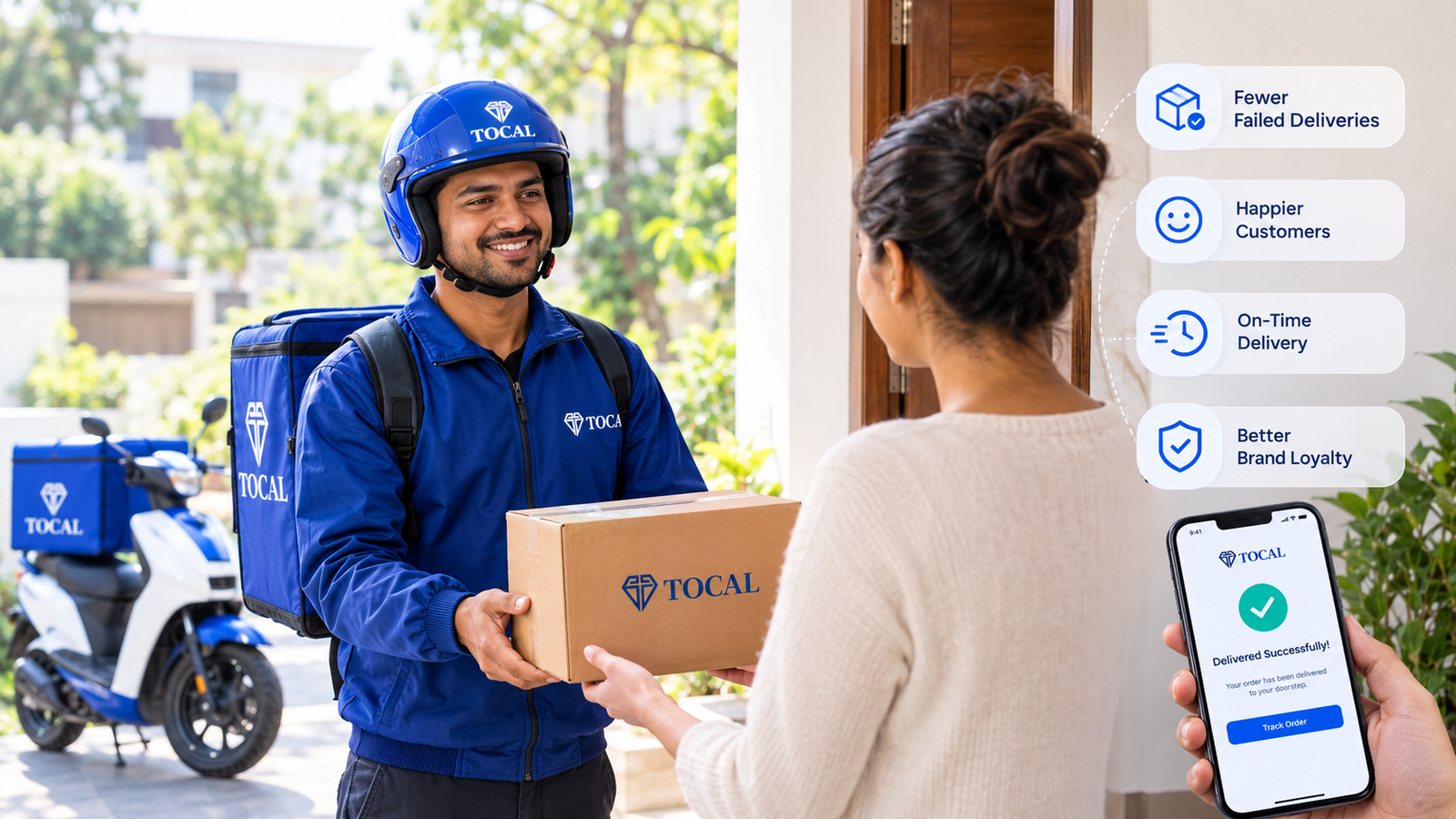
The first order is a trial. If it arrives when promised, in good condition, the customer's confidence rises. If it fails, many customers will not give you a second chance.
2. Trust in your promise grows
When customers see that "arrives today" or "delivered between 4 and 6 pm" actually holds, they start to rely on you, which is the foundation of loyalty.
3. Urgent and replenishment purchases become easy
For items people run out of, or need for a specific moment, speed decides who gets the order. A brand known for quick, dependable delivery becomes the default choice.
4. Fewer problems mean less friction
Fast, well-run delivery cuts failed attempts, late deliveries and "where is my order" contacts. A smoother experience leaves less reason to try a competitor. See how delivery companies handle failed deliveries and RTO.
5. Better reviews and word of mouth
Customers who receive orders on time and in good shape are more likely to praise the brand and recommend it, which brings in new buyers at lower cost.
6. A real edge over marketplaces and rivals
Many brands compete on product and price. Delivery quality is a competitive advantage that is harder to copy, especially in dense cities where same-day delivery is feasible.
7. It supports loyalty and subscription models
Priority or same-day delivery can be part of a loyalty offer, and reliable delivery is essential for subscriptions and scheduled replenishment, where a single missed delivery can trigger cancellations.
Customers rarely remember a delivery that went well. They always remember the one that did not. Retention is built on the first kind.
Speed, reliability and visibility: what customers actually value
| Factor | What it means | Why it matters for retention |
|---|---|---|
| Speed | How quickly the order arrives | Decisive for urgent, replenishment and occasion-based purchases |
| Reliability | Arriving within the promised window | Builds trust; a missed promise hurts more than a longer, honest one |
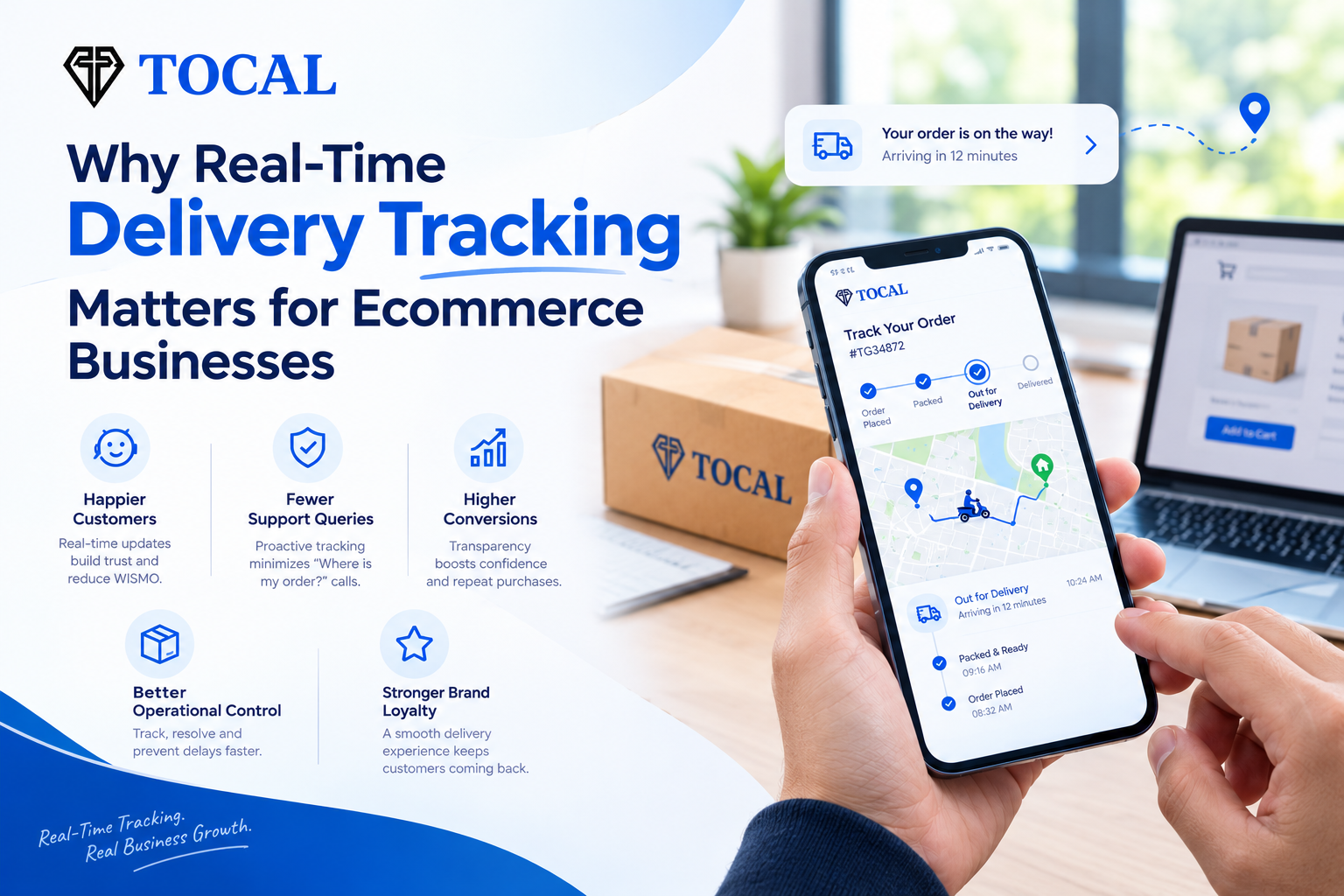
| Visibility | Live tracking and updates | Reduces anxiety and support contacts (see real-time delivery tracking) |
| Condition | Products arriving intact and fresh | Damaged items trigger refunds and lost customers |
| Flexibility | Choice of slots, rescheduling | Makes delivery fit the customer's day |
| Easy returns | Simple pickups, quick refunds | Lowers the risk of buying again (see reverse logistics for ecommerce) |
The lesson: do not chase the fastest promise at any cost. Promise what you can keep, and be fast where speed truly matters.
How to measure the link between delivery and retention
Do not assume; test it with your own data.
- Tag each customer's first delivery: on time, late or failed, and delivery time bands
- Compare repeat rates: look at the share who reorder within 60 or 90 days for each group
- Segment by category and zone: the effect differs for replenishment items, gifts and one-off purchases
- Run a test: offer faster delivery in selected zones and compare against similar zones without it
- Watch for confounders: customers who get fast delivery may also live in denser, higher-intent areas, so compare like with like
Metrics to track together:
- Repeat purchase rate at 30, 60 and 90 days
- On-time delivery rate and first-attempt success
- Average delivery time by zone
- Delivery-related complaints per 1,000 orders
- Review scores mentioning delivery
Is faster delivery worth the cost?
Faster delivery can raise cost per order, so weigh it against what it earns:
Net value per order = (increase in repeat purchase rate × expected repeat orders × contribution margin per order) − added delivery cost per order.
- If the lift in repeat orders is large and the added cost is small, faster delivery pays for itself
- If the lift is small, keep the promise reliable but do not push for the fastest tier
- Test in one or two zones before rolling out widely
Judge cost by cost per successfully delivered order, since fewer failures and complaints also save money.
Which businesses benefit most from fast delivery?
| Business type | Why speed helps retention |
|---|---|
| FMCG, grocery and daily essentials | Frequent, replenishment-driven buying where availability and timing decide the order |
| Beauty and personal care | Regular repurchase cycles and a strong role for brand trust |
| Gifting and occasion-based products | Deadlines make reliability and speed critical |
| Fashion and lifestyle | Fast delivery plus easy exchanges lowers purchase risk |
| SMEs and individual sellers | Dependable delivery helps small brands earn repeat customers against bigger rivals |
How to deliver fast without a huge logistics operation
- Move stock closer: hold fast-moving items in nearby hubs or fulfilment centers (see what a dark store is)
- Use fixed zones and dedicated riders, who know their areas and keep quality consistent (see dedicated delivery riders)
- Adopt a hybrid capacity model: a dedicated base, flexible peak capacity and app overflow (see fixed capacity vs on-demand fleet support)
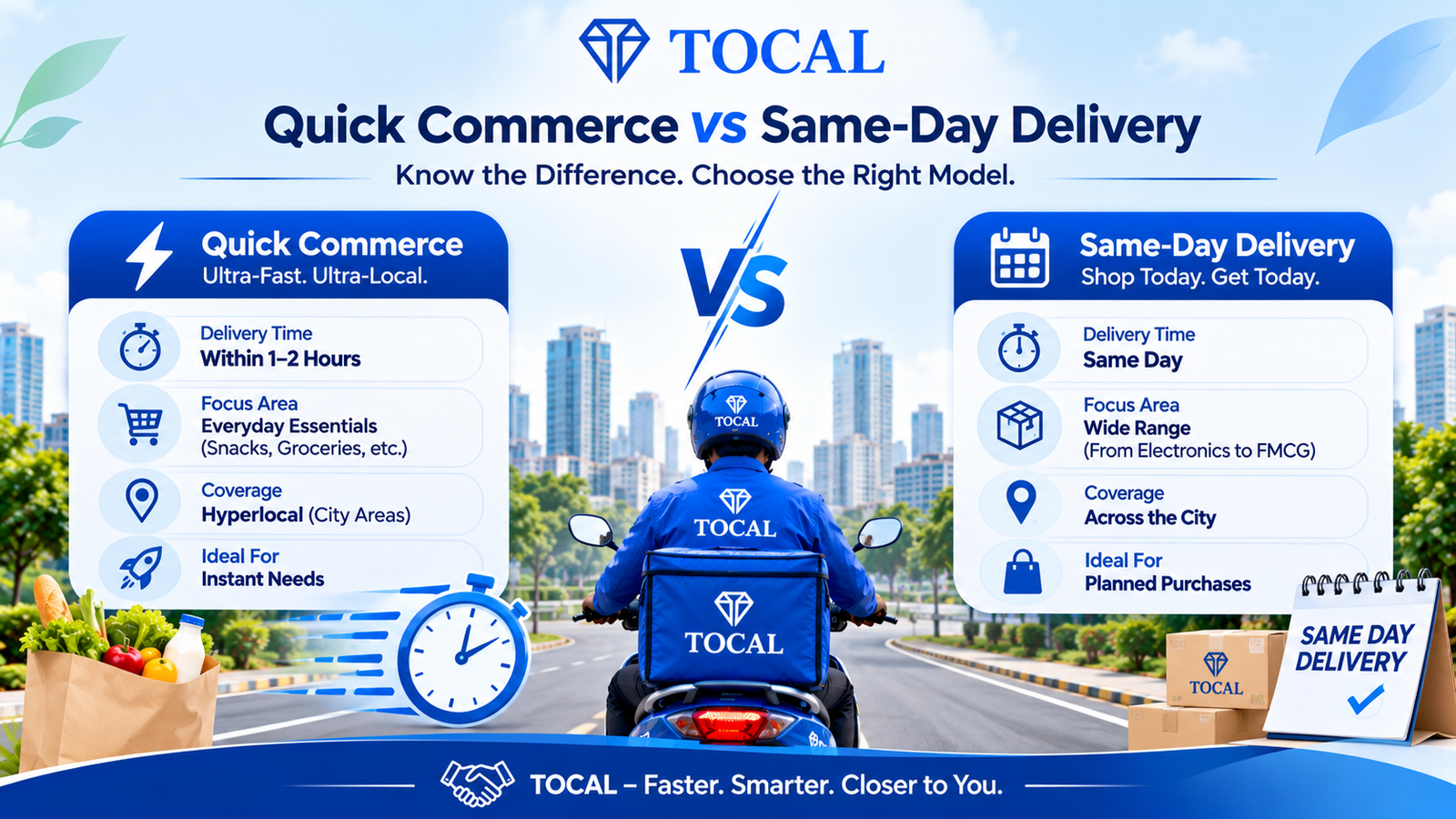
- Choose the right speed tier: same-day for wide catalogues, express only where density supports it (see quick commerce vs same-day delivery)
- Set clear SLAs and review them weekly (see last-mile delivery SLAs)
- Prepare for peaks, when retention is most at risk (see peak season delivery planning)
Common mistakes when using delivery to win loyalty
- Over-promising: showing a fast window you cannot keep
- Ignoring failures: a failed first delivery can lose the customer for good
- Neglecting peaks: sale days bring new customers, so service must hold up exactly then
- Treating speed as the only metric: visibility, condition and flexibility matter too
- Not measuring: assuming delivery matters, or does not, without checking the data
Fast delivery and retention in Bengaluru
Bengaluru's dense neighbourhoods such as Koramangala, HSR Layout, Indiranagar and Whitefield make same-day and even faster delivery realistic, and customers in a busy tech-driven city often expect it. At the same time, rain and congestion on corridors like ORR can break promises quickly.
- Show realistic windows and update customers early when conditions change
- Use fixed zones and local hubs to keep trips short
- Reserve peak-day capacity before sales and festive periods
- Consider an EV-only fleet, which suits short, frequent urban trips and supports sustainability goals (see green logistics in Bengaluru)
A 5-step plan to turn delivery into a retention advantage
- Baseline: measure on-time rate, delivery time, failed deliveries and repeat rate by zone
- Find the leaks: compare repeat rates for on-time, late and failed first orders
- Fix reliability first: address failures, packing delays and capacity gaps
- Add speed where it pays: pilot same-day or express in dense zones and measure the lift
- Review monthly: keep what works, adjust the rest. For the wider picture, see how to scale daily deliveries without extra complexity
How TOCAL helps brands earn repeat customers with better delivery
TOCAL builds dedicated delivery infrastructure in Bengaluru around an EV-only fleet, with hyperlocal delivery for same-day delivery within the city and live monitoring of performance. Our approach follows three steps:
- Understand: we analyse your order volumes, delivery zones and SLA requirements
- Deploy: we put the right fleet, trained delivery partners and operations team in place
- Manage, track and scale: we monitor performance live and scale capacity up or down as your volumes change
With 98%+ on-time delivery, 30 lakh+ green deliveries completed and 35+ brands served, TOCAL supports D2C brands, retail and FMCG, SMEs and individual sellers and enterprises and quick commerce, through hyperlocal delivery, last-mile delivery, fulfilment centers and EV fleet rentals.
Frequently asked questions
Does fast delivery improve repeat purchases?
Often yes, especially when speed comes with reliability. A fast, on-time first delivery builds trust and makes customers more willing to order again, particularly for replenishment and urgent purchases. The effect varies by category, so measure it with your own data.
Is reliability more important than speed for retention?
For many customers, yes. Delivering on time against a clear promise, with good visibility and product condition, often matters more than being the fastest. A fast promise that is frequently missed can hurt retention more than a slower promise that is always kept.
How do I measure the impact of delivery on retention?
Group customers by their first delivery experience, such as on time, late or failed, and compare repeat purchase rates over a set period like 60 or 90 days. You can also test faster delivery in selected zones and compare against similar zones without it.
What is repeat purchase rate and how is it calculated?
Repeat purchase rate is the share of customers who buy again within a period. Calculate it as customers with two or more orders in the period divided by total customers who ordered in that period, multiplied by 100.
Is faster delivery worth the extra cost?
It depends on how much it lifts repeat orders compared with what it adds to cost per order. Estimate the extra repeat orders multiplied by their contribution margin, subtract the added delivery cost, and test in one or two zones before rolling out widely.
Which businesses benefit most from fast delivery?
Businesses with replenishment or frequent-purchase products, such as FMCG, grocery and beauty, and brands selling gifts or occasion-based items, tend to benefit most because timing matters and customers order often.
How can a small brand deliver fast without a big logistics team?
Work with one dedicated delivery partner, hold fast-moving stock in a nearby hub or fulfilment centre, use fixed zones and live tracking, and add flexible capacity only for peaks. This keeps speed high while the internal team stays small.
Does TOCAL help brands deliver faster in Bengaluru?
Yes. TOCAL provides hyperlocal and last-mile delivery in Bengaluru on an EV-only fleet, including same-day delivery within the city, with live monitoring and capacity planned around each brand's volumes, zones and SLA needs.
Final thoughts
Fast delivery does not guarantee loyalty, but slow, unreliable or confusing delivery makes loyalty hard to earn. Fix reliability first, add speed where it pays, keep customers informed and measure the effect on repeat orders. Done well, delivery stops being a cost line and becomes one of your best retention tools.
Want delivery that brings customers back? Share your expected volumes, service areas and SLA needs, and TOCAL will plan a delivery setup around your business. Talk to a TOCAL Delivery Expert.